

While earning a master’s degree may seem like the ultimate goal for many students, pursuing a doctoral degree can lead to greater knowledge and skills, as well as better job opportunities in academia, industry, and beyond. Dedication, careful planning, and a clear vision of the future are necessary for this academic profile-building endeavor. Moving from a master’s to PhD is about adopting an attitude of lifelong learning and research, not just acquiring more qualifications. This path develops you into a leader, regardless of your motivations, which might be curiosity or professional goals. In this article, we examine how transitioning from a master’s to PhD degree enhances your academic standing and provides insights into the benefits of the process.
Benefits of Advancing from Master’s to PhD
Personal Growth
The transition from a master’s to PhD is deeply personal, helping you develop stronger time management skills, resilience, and sharper critical thinking. One of the defining aspects of the master’s to doctorate journey is its power to cultivate independent thinking, i.e., the ability to form and defend your ideas without constant guidance. This growth extends beyond the classroom and shapes how you approach challenges in life. Furthermore, earning a PhD or a professional doctorate enhances your credibility and confidence. Your expertise is more likely to be recognized by others, thereby strengthening your academic reputation. Overall, moving from a master’s to a PhD is both a demanding and fulfilling personal advancement, but it is more than just a personal development experience.
Professional Development
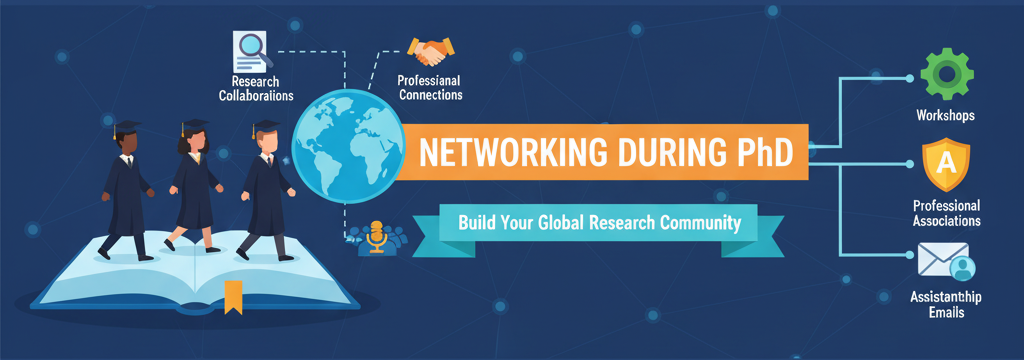
Moving from a master’s to a PhD demonstrates your dedication to expanding the field’s understanding. A PhD encourages you to conduct unique research that advances your subject, whereas a master’s degree gives you specific expertise. Transiting from a master’s to a PhD is frequently the first step toward obtaining coveted positions in research organizations, industry, or academia. Beyond job opportunities, the Master’s to PhD path develops unmatched critical thinking and problem-solving skills. You will address challenging issues, plan research, and disseminate results. Moreover, opportunities for networking during PhD develop a strong academic network for you. These are the primary reasons why many people choose to level up from a master’s to doctorate.
The master’s to PhD path in academia opens doors to higher-level roles such as research positions, professorships, and leadership roles. Beyond academic institutions, the acquired analytical and problem-solving skills from PhD training are valued by sectors like technology and healthcare. A PhD also yields benefits in terms of earning potential and prestige. Moreover, the opportunity to influence your research field is another rewarding aspect of pursuing a PhD degree. Your PhD dissertation has the power to solve urgent issues and encourage further study, setting the master’s to PhD journey apart from previous academic phases. Your voice is amplified by presenting at conferences and publishing research papers and review articles.
Are You Ready for a PhD?
Before advancing from a master’s to a doctoral degree, carefully consider your goals and readiness. Do you have a strong research interest? Is there a specific research topic you are passionate about? These questions are essential for optimizing your chances of admission to a doctoral program. Aligning your interests with your academic goals is crucial, as a PhD or professional doctorate requires several years of dedicated effort. If you excelled in coursework or projects that involved significant research, you may be well-suited for the master’s to PhD path. It is also wise to consult with mentors or research supervisors to assess your preparedness for pursuing a PhD or a professional doctorate.
Transitioning from a master’s to PhD involves a steep learning curve. It emphasizes independent research more than a master’s. While a master’s often focuses on coursework, a PhD prioritizes original research and critical inquiry. One of the main differences is that PhD students spend more time designing and conducting experiments and investigations independently, and less time in structured classes. Expectations for academic output are also higher, as you will be required to attend conferences, publish findings, and ultimately produce a PhD dissertation that contributes new knowledge to your field. Achieving this demands self-discipline, strategic planning, and effective time and resource management. Are you ready for it?
Preparing for the Master’s to PhD Leap
Finding Your PhD Research Niche
One of the most important stages in the transition from a master’s to PhD is selecting a research area. Your master’s thesis or research projects can serve as a strong foundation for developing future expertise. Choosing a focus early allows for continuity in your research and helps ensure a smoother transition into doctoral studies. Staying current with peer-reviewed publications, industry trends, and emerging discoveries will help refine your interests. Attending conferences, workshops, and networking events is also valuable because it enables you to connect with potential advisors and stay informed about recent advancements. Conversations with academics or professionals in your field may also reveal meaningful insights into unexplored research gaps.
Building a Strong PhD Application
Getting from a master’s to a PhD degree requires a strong PhD application. To do so, you should maximize your master’s achievements for PhD admission success. Please always check universities’ websites to see if you need to take any language proficiency test and, if so, which one(s). For example, you can study in the USA without needing English tests. In your essay (e.g., SOP for the US universities or LOM for European universities), emphasize your master’s research experience and publications. Secure solid recommendation letters from advisors, instructors, or employers who are aware of your potential. A strong application shows admissions committees that you are dedicated and capable of bridging the gap between your master’s and doctoral goals.

Challenges in Moving from Master’s to PhD
Time and Financial Commitments
One of the biggest challenges in pursuing a PhD is the significant time commitment. PhD programs typically last 3 to 6 years (full-time), depending on the country and university. Financial pressure is another key factor. While supports such as fully funded scholarships for international students or assistantships may be available, it is not always guaranteed. Many students take on part-time jobs or teaching roles, which can test their resilience. Transitioning from a master’s to PhD involves sacrifices, but these are often outweighed by the long-term academic and professional benefits.
Overcoming Impostor Syndrome
Students moving from master’s to PhD programs may struggle with impostor syndrome, i.e., feeling unworthy or doubting their abilities despite past achievements. Entering a more competitive environment can intensify these feelings, especially when surrounded by highly motivated peers. It is important to recognize that your master’s-level success has earned you this opportunity. Seeking support from mentors or fellow students can help counter self-doubt. Building confidence through each milestone reinforces the idea that the master’s to PhD journey is as much about mindset as it is about ability.
Staying Organized and Motivated
A PhD demands strong organizational skills. Compared to a master’s studies, you will handle longer-term projects with less direct supervision during a PhD or professional doctorate. Developing a structured plan, i.e., setting short-term goals and tracking your progress, is key to staying on course. Celebrating small wins, such as completing a chapter or presenting at a conference, helps sustain motivation. Staying focused and disciplined is essential to successfully navigating the demanding journey from master’s to PhD.
Conclusion
Transitioning from a master’s to PhD is a transformative journey that requires intellectual commitment, personal growth, and strategic preparation. It offers a chance to make original contributions to your field, enhance your academic profile, level up your professional standing, and develop valuable skills such as critical thinking, research design, and self-leadership. While the path demands time, financial planning, and emotional resilience, the long-term rewards, e.g., academic recognition, career advancement, and the ability to shape knowledge, make the effort worthwhile. Whether driven by curiosity, ambition, or a desire to lead change, those who embrace the master’s to PhD path are better equipped to thrive in academia, industry, or beyond.
Frequently Asked Questions (FAQs)
What are the main differences between a master’s and a PhD program?
A master’s focuses more on coursework, while a PhD emphasizes independent, original research and requires a dissertation that contributes new knowledge.
Is it necessary to have a specific research topic before applying for a PhD?
Yes, having a clear research interest or niche helps align your goals with a suitable PhD supervisor and strengthens your application.
How do I financially prepare for a PhD?
Learn how to get fully funded PhD positions before starting your PhD application process. Look into scholarships, assistantships, and funding options early. Part-time work or tutoring/teaching assistantship vacancies may also help, but financial planning is essential.

Leave Your Comment